Virtual Reality Transforms Crime Scene Investigation Training in Australia
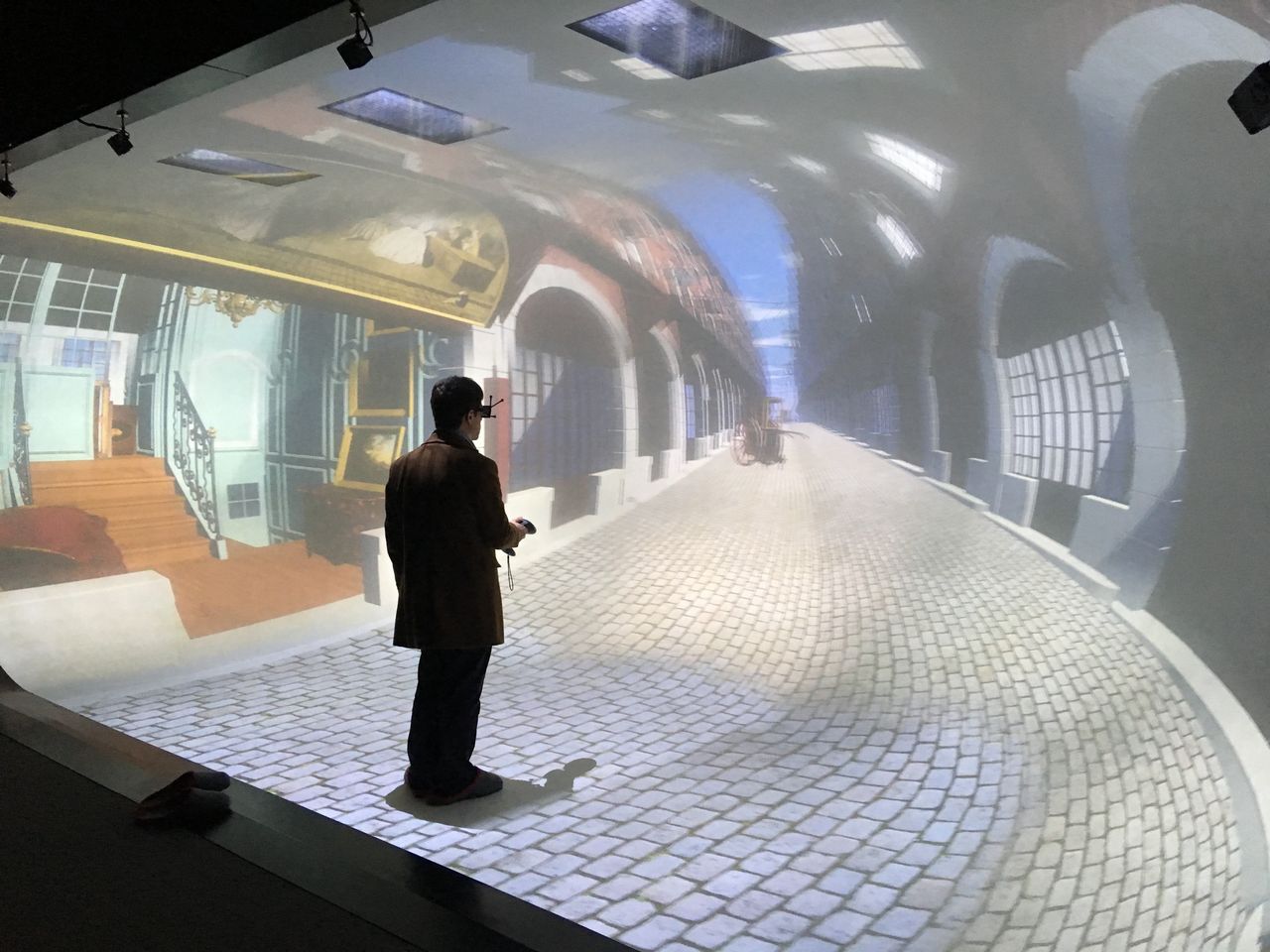
Murdoch University in Perth has partnered with local technology company ForensicXR to embed VR-based crime scene simulations into its forensic science curriculum, focusing on hands-on learning that more closely reflects the complexities of real-world investigations. The initiative was recently trialled within the university’s Digital Immersive Laboratory, with participation from Western Australia Police and experienced forensic investigators.
Using Meta Quest virtual reality headsets, the ForensicXR platform allows trainees to walk through immersive crime scenes that can be either fictional or based on real-world settings, complete with environmental clues, spatial layouts and simulated evidence, all in a controlled environment. This approach enables repeated practice of investigative techniques without the logistical limitations, safety concerns or cost associated with physical mock-ups or live field training.
“Crime scenes come in many shapes and forms, and it is often difficult to train students using real materials such as blood stains, firearms or drugs,” said Associate Professor Paola Magni, noting that VR offers a way to build practical competence and confidence before trainees encounter live environments.
Research into immersive technologies supports this shift toward virtual training. Academic studies on mixed reality (MR) and VR systems suggest these tools not only reduce risks such as contamination of physical evidence but also offer significant benefits in repetitive practice, cost efficiency and controlled scenario management. Researchers highlight that virtual environments can be tailored to introduce specific investigative challenges while ensuring evidence preservation practices are maintained.
Beyond educational benefits, VR platforms have been shown to enhance knowledge retention and skill development, as learners actively engage with realistic environments that mirror the complexity and sensory details of crime scenes, an improvement over more passive, classroom-based methods.
The Murdoch University initiative also addresses accessibility concerns: students with mobility limitations or injury can participate fully in forensic training scenarios that would otherwise be inaccessible. As institutions increasingly explore immersive training technologies, this experiment is one example of how VR can widen participation while strengthening procedural understanding.
With Murdoch University expanding its forensic science offerings, including a new Bachelor of Forensic Sciences degree in 2026, these immersive simulation tools are likely to play a more central role in preparing future investigators for the demands of both field and laboratory forensic work.
Continue the conversation LIVE at our UK event next April: Pro Integration Future Europe
Subscribe to Pro Integration Insider for monthly updates!